
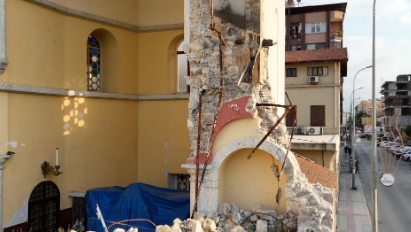
In this practical training activity, students assess the condition of a damaged historical structure following an earthquake by using a drone and analyzing images and videos captured during the drone. In many cases, damage to historical buildings occurs in areas that are difficult or unsafe to access using traditional inspection methods. Risks related to working at height, falling elements, limited access, and restrictions associated with protected heritage structures often make close-range manual inspection impractical.
Drone technology enables a safe and non-contact visual survey of the structure without physical interaction. During the activity, students learn how to prepare and operate a drone, plan safe flight paths, capture suitable visual material, and organize the collected data. The recorded images are reviewed, classified, and documented, forming the basis of a simple inspection report. This process helps students develop observation, reporting, and communication skills.
High-resolution images and videos allow students to observe different parts of the building efficiently and in detail. One of the main objectives of the activity is to identify visible issues such as cracks, surface deterioration, local damage, and signs of movement, and to record these observations in a structured and systematic manner. The exercise also demonstrates how drone-based inspection can be carried out effectively without the need for advanced software or complex data processing.
Beyond technical competencies, the training emphasizes safety, quality, and sustainability, while supporting the development of digital skills, teamwork, responsibility, and independent decision-making. In addition, the activity introduces students to the role of drone technology in post-disaster situations, highlighting how rapid and safe damage assessment contributes to timely decision-making, prioritization of interventions, and effective coordination among response teams. By simulating post-earthquake inspection conditions, the training helps students understand how modern digital tools can support faster, safer, and more informed responses after disasters. Overall, the activity prepares students for real-world professional practice and enhances their readiness to contribute to post-disaster assessment and response efforts in a practical, accessible, and responsible manner.