
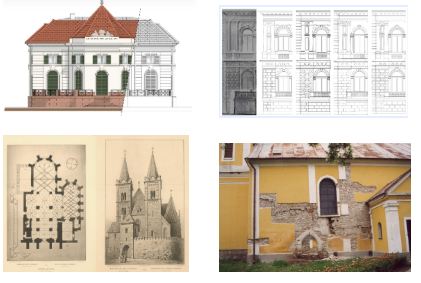
During the implementation of this task, students acquire comprehensive knowledge and practical skills related to the safe, responsible, and legally compliant use of drones. They learn the key steps of flight preparation, including route planning, assessment of weather and environmental conditions, and the application of essential aviation regulations, data protection requirements, and ethical principles. Through hands-on practice, students develop appropriate photography and videography techniques, with a particular focus on documenting the architectural details, structural elements, and overall condition of historic buildings. The task also includes organising, reviewing, and basic digital processing of the collected materials.
The activity develops learners’ competences in a holistic manner. It strengthens digital competence, spatial awareness, and technical thinking, while also enhancing problem-solving skills and a critical approach to data and visual documentation. Group work improves collaboration and communication, as well as the ability to distribute tasks effectively and assume responsibility. Drone operation requires a high level of attention and precision, thereby supporting the development of self-discipline, safety awareness, and informed decision-making.
The acquired knowledge and skills prepare students for real-life applications and emerging professional contexts. Drone-based documentation is increasingly relevant in architecture, cultural heritage protection, real estate and land surveying, urban planning, tourism, media, and the creative industries. Students experience how modern technology can be applied in a value-creating way to collect, analyse, and present data. In the longer term, the learning outcomes contribute to stronger digital literacy, improved employability, and the cultivation of responsible and conscious technology use.