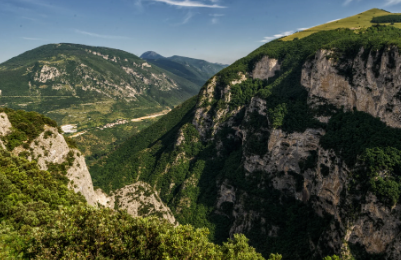
This project engages students to understand how drones can be an important key for data collection.Students explore the intersection of human infrastructure and pristine natural environments. Monitoring a Heating Ventilation and Air Conditioning (HVAC) system or a Heating Plant (e.g., a biomass boiler or gas furnace) in a natural area allows students to measure how "point-source" combustion plumes interact with clean, high-oxygen mountain or forest air.
In a protected natural area, the air should theoretically be devoid of CO. While the EU has successfully slashed industrial CO emissions by 90% (EEA 2025), a single malfunctioning or inefficient heating plant (biomass, gas, or oil) can create a concentrated "toxic pocket."
Students learn that CO is the primary marker of incomplete combustion.
Students set up an air quality logger as a payload, attach it to the drone, plan a simple flight path and operate a drone. They document the process with pictures and short videos that later will become learning materials. Safety considerations should be frequently mentioned. This project will allow students to question themselves about how the world will be in 10/15 years and concerns about current environmental care of the world in general.